About Us
Built from loss. Designed for the living.
Tri-Pillars™ LLC was founded by Wayne and Jamie Simms after the deaths of their son Jacoby and nephew Ian. What started as a search for something better became a program grounded in what research actually says about grief.
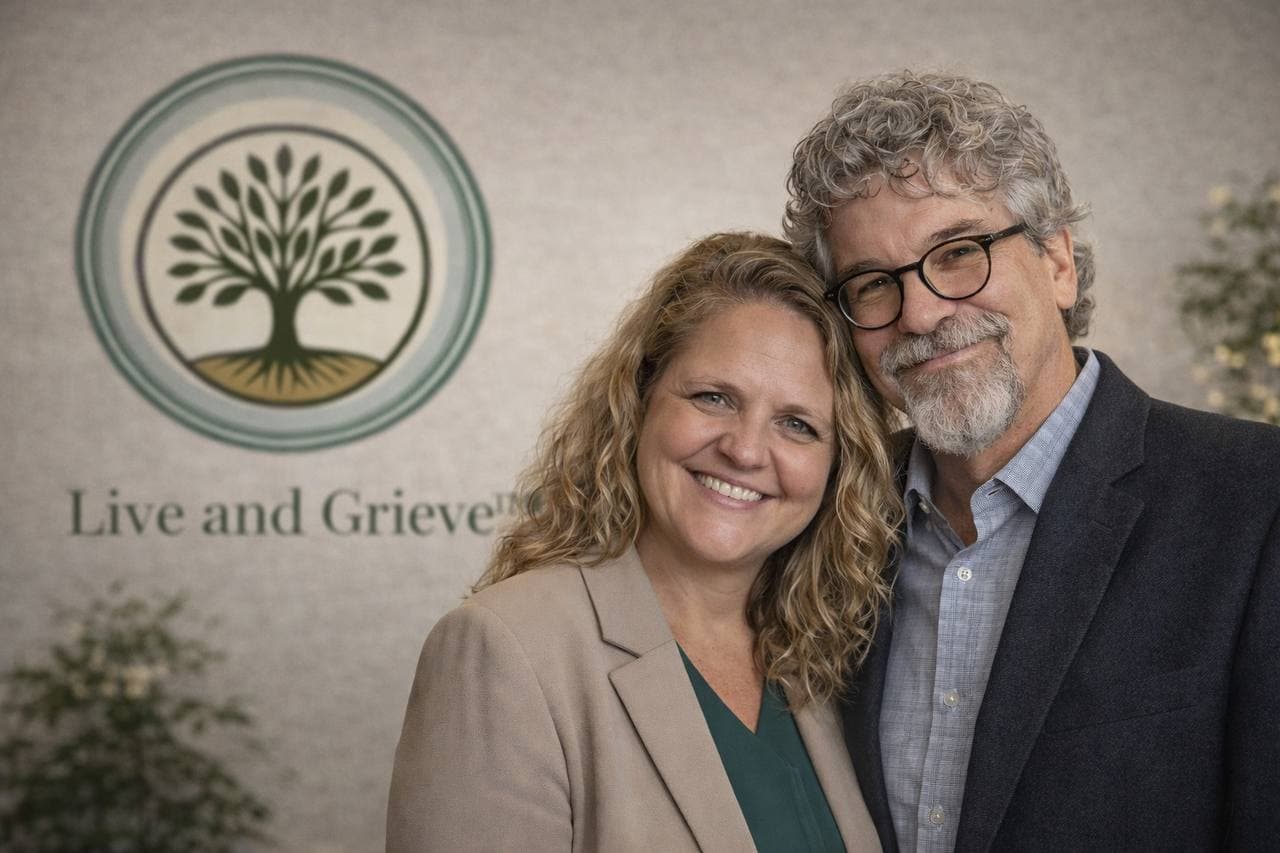
Our story.
When Jacoby died, Wayne and Jamie did what most grieving families do. They looked for help. What they found was a patchwork of outdated stage models, short-term counseling, and well-meaning advice that assumed grief has an endpoint.
Then Ian died. And the search became urgent.
They spent years studying what contemporary grief researchers actually recommend: non-linear models, community-based support, continuing bonds with the people we lose. They built Live and Grieve™ to be the program they wished had existed.
“We didn't build this because we had it figured out. We built it because nobody else was building what we needed.
Meet the Founders
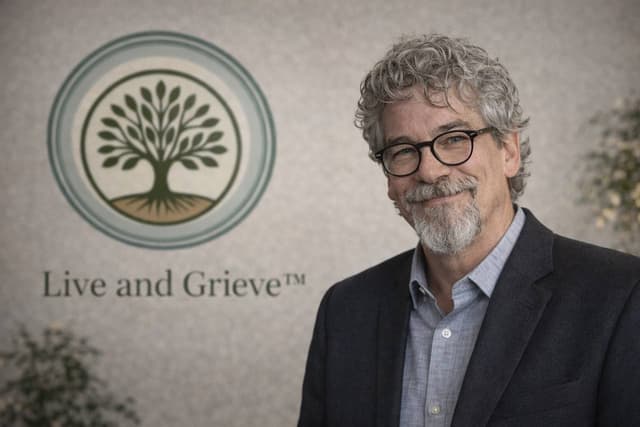
Wayne Simms
Co-Founder, Tri-Pillars™ LLC
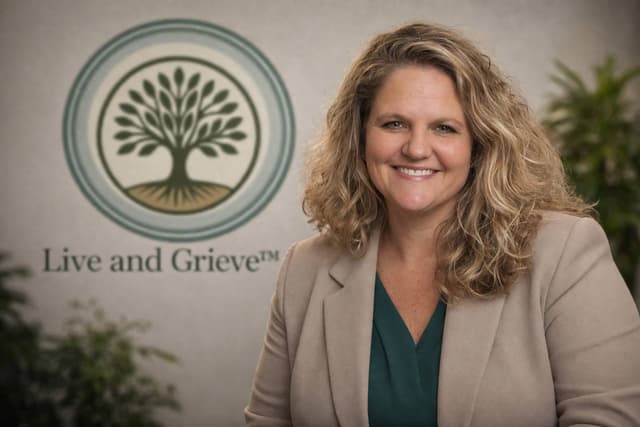
Jamie Simms
Co-Founder, Tri-Pillars™ LLC
The Core Conviction
“Live and Grieve” is not a contradiction.
The word “and” is the operative word. You do not grieve and then live. You do both at the same time, for the rest of your life. The program runs 52 weeks because that is a statement: grief deserves a full year of structured support, not six sessions and a follow-up call.
Our Values
What we believe.
Compassion & Presence
Being with someone in their pain is not something to fix. It is the intervention.
Safety & Trust
People will not grieve openly until they believe the room can hold what they carry.
Trauma-Informed Care
Every session accounts for the reality that grief often coexists with trauma.
Continuing Bonds
The goal is never to let go. It is to find new ways to carry someone forward.
Inclusivity
Grief does not discriminate. Neither does this program.
Evidence-Informed Practice
Every component is grounded in peer-reviewed research, not tradition or assumption.
Research Foundation
Five frameworks. One integrated program.
Every component of Live and Grieve is rooted in peer-reviewed research.

Dual Process Model
Stroebe & Schut, 1999
Grief oscillates between confronting loss and rebuilding daily life. Both are necessary.
Tasks of Mourning
Worden, 2009
Grief is active work: accepting, processing, adjusting, and finding a way to carry the person forward.
Continuing Bonds
Klass, Silverman & Nickman, 1996
Maintaining a relationship with the deceased is healthy, not a sign of unresolved grief.
Meaning Reconstruction
Neimeyer, 2001
Loss disrupts the stories we tell about our lives. Rebuilding meaning is central to adaptation.
Self-Compassion
Neff, 2011
Treating yourself with the same kindness you would offer a friend changes the trajectory of grief.
Companioning Model
Wolfelt, 2006
Walking alongside someone in grief rather than leading them through it.
Mission
Make evidence-informed grief support accessible to every community.
We believe every person who has experienced loss deserves a place where their grief is met with understanding, structure, and community. Not just for a few weeks, but for as long as they need it.
See Our Approach →